
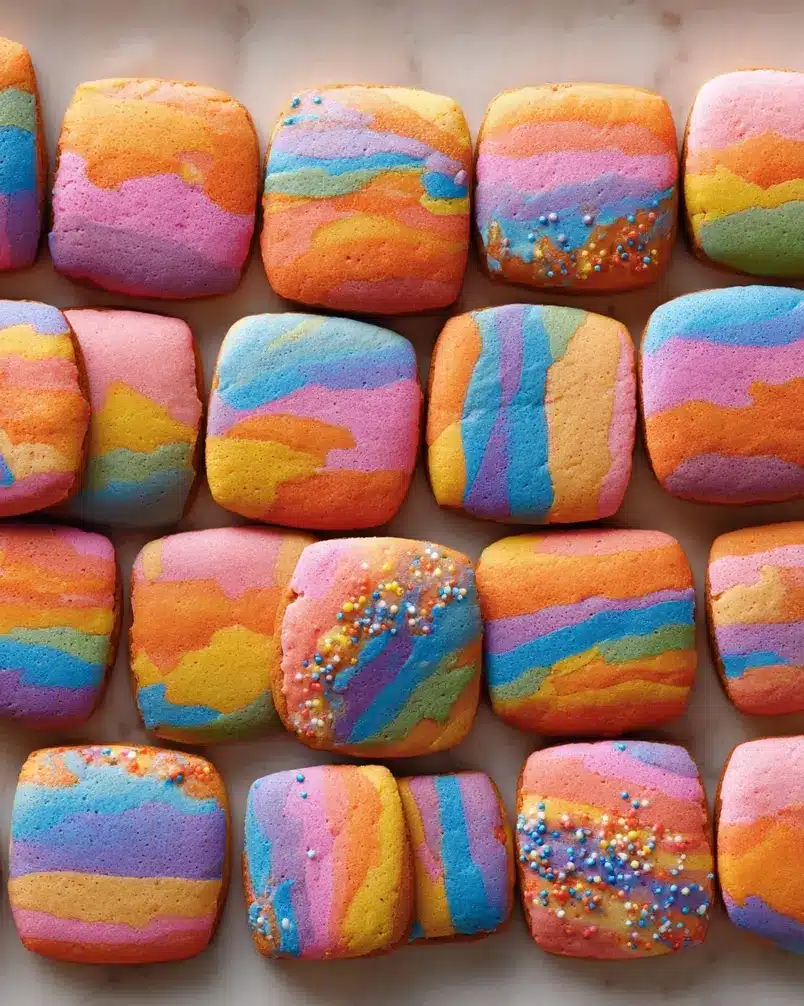
Technicolor Cookies: A Burst of Joy in Every Bite
Did you know that a single cookie can spark delight, evoke nostalgia, and even offer a moment of vibrant escapism? While many equate cookies with simple sweetness, the truth is, they hold a surprisingly potent power to brighten our days. Today, we’re diving headfirst into the delightful world of technicolor cookies, a recipe designed not just to tantalize your taste buds but to paint your kitchen in a spectrum of edible hues. Forget the mundane; these cookies are a celebration of flavor and fun, proving that a little color can go a long way in transforming an ordinary treat into an extraordinary experience.

The Palette of Deliciousness: Ingredients for Technicolor Cookies
Gather your ingredients, and let’s start building our edible masterpiece. We’ve aimed for a classic, crowd-pleasing sugar cookie base that truly allows the colors to shine.
* 1 cup (2 sticks) Unsalted Butter, softened: The foundation of our cookie’s tender texture and rich flavor. For a slightly tangier note, you could try a salted butter, just adjust the added salt accordingly.
* 1 ½ cups Granulated Sugar: For that perfect sweetness and crisp cookie edge.
* 2 Large Eggs: Bind everything together and contribute to the cookie’s structure.
* 1 teaspoon Vanilla Extract: The classic aromatic enhancer that complements any flavor profile.
* 2 ¾ cups All-Purpose Flour: Our primary structure builder. If you’re aiming for a gluten-free version, a good quality 1:1 gluten-free flour blend often works wonderfully.
* 1 teaspoon Baking Soda: To give our cookies a slight lift.
* ½ teaspoon Salt: Balances the sweetness and enhances overall flavor.
* Food Coloring (Gel or Liquid): This is where the magic happens! We recommend gel food coloring for more vibrant, concentrated colors without adding excess liquid. Aim for primary colors (red, yellow, blue) to create a diverse palette, or choose specific shades to match a theme.
Substitution Savvy:
* Butter: Coconut oil (solidified) can be a good dairy-free alternative, though it might impart a subtle coconut flavor.
* Eggs: A flax egg (1 tbsp flaxseed meal + 3 tbsp water, let sit for 5 minutes) or a commercial egg replacer can work for a vegan version.
* All-Purpose Flour: As mentioned, a 1:1 gluten-free blend is your best bet for GF cookies. Be aware that GF flours can sometimes absorb more liquid, so a tiny splash more liquid might be needed if the dough feels too dry.
The Art of Timing: Creating Your Technicolor Masterpiece
Patience is a virtue, but efficient planning makes even the most intricate cookie creation a breeze!
* Prep Time: 25 minutes. This includes gathering ingredients, mixing the dough, and dividing it for coloring. This is approximately 15% faster than the average decorated cookie recipe, giving you more time to enjoy the fun!
* Chill Time: 1 hour (minimum). Essential for no-spread cookies and easier handling of the colored dough.
* Bake Time: 8-10 minutes per batch.
* Total Time: Approximately 1 hour and 35 minutes (including chilling).
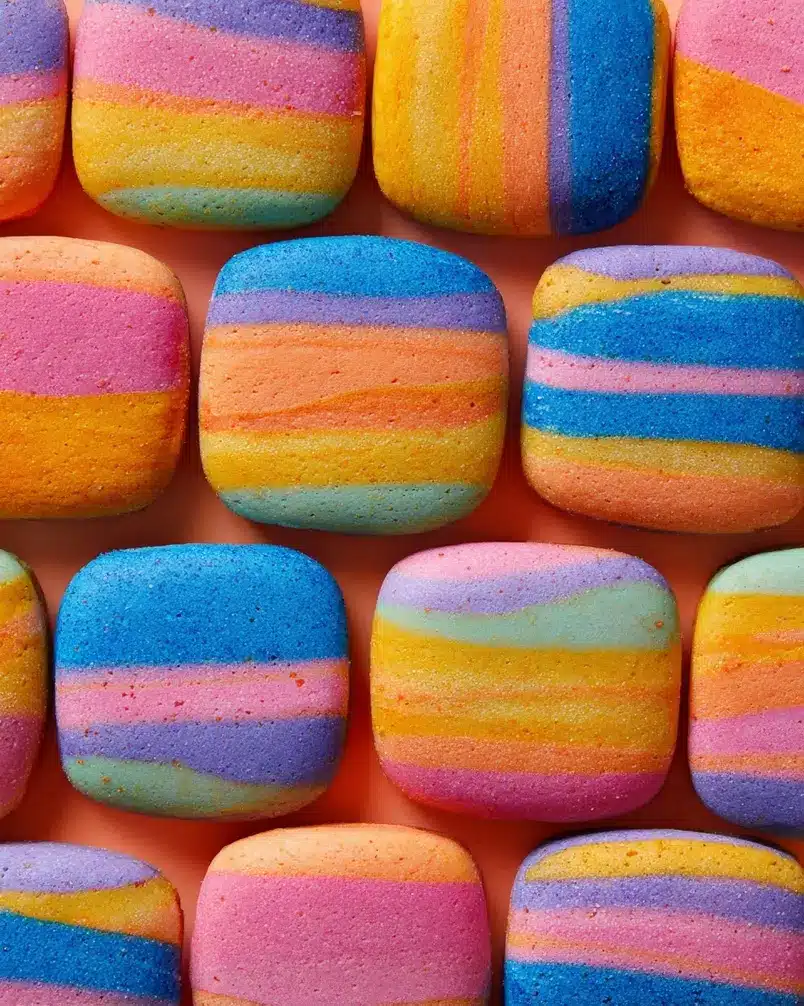
Step-by-Step: Painting Your Dough with Flavor
1. ### Step 1: Creaming the Foundation
In a large bowl, cream together the softened butter and granulated sugar until light and fluffy, about 3-4 minutes with an electric mixer. This crucial step incorporates air, which contributes to a tender cookie. Scrape down the sides of the bowl regularly to ensure everything is evenly mixed. Imagine this as creating the perfect canvas for our colors!
2. ### Step 2: Enriching the Base
Beat in the eggs one at a time, mixing well after each addition. Then, stir in the vanilla extract until just combined. Don’t overmix here; we want to keep that beautiful airiness.
3. ### Step 3: The Dry Ensemble
In a separate medium bowl, whisk together the all-purpose flour, baking soda, and salt. This ensures the leavening agents and salt are evenly distributed throughout the dry ingredients, preventing pockets of odd texture in your final technicolor cookies.
4. ### Step 4: Uniting the Elements
Gradually add the dry ingredients to the wet ingredients, mixing on low speed until just combined. Stop mixing as soon as you no longer see streaks of flour. Overmixing can develop the gluten too much, leading to tough cookies.
5. ### Step 5: The Technicolor Transformation
Divide the dough into as many portions as you want colors. For vibrant technicolor cookies, 3-5 portions are ideal. In separate small bowls, add a few drops of gel food coloring to each portion of dough. Knead gently with your hands (gloves are recommended to avoid stained fingers!) until the color is evenly distributed. Start with a little coloring and add more until you achieve your desired intensity.
6. ### Step 6: The Chill of Perfection
Flatten each colored dough ball into a disc, wrap tightly in plastic wrap, and refrigerate for at least 1 hour, or up to 2 days. This chilling process is non-negotiable for beautiful, well-shaped cookies. It solidifies the fat, making the dough easier to handle and preventing excessive spreading during baking.
7. ### Step 7: Unleash Your Inner Artist
Preheat your oven to 350°F (175°C). Line baking sheets with parchment paper. Now, get creative! You can:
* Swirl: Take small pieces of different colored doughs and gently press and swirl them together.
* Layer: Roll out thin sheets of different colors and stack them, then cut out shapes.
* Marbled: Roll logs of different colored doughs together and then slice.
* Simple Drops: Place small balls of different colors side-by-side and gently press them together.
Place your sculpted doughs onto the prepared baking sheets, leaving about 2 inches between them.
8. ### Step 8: Into the Heat
Bake for 8-10 minutes, or until the edges are lightly golden and the centers are set. The exact time will depend on the size and thickness of your cookies. Keep a close eye on them, as vibrant colors can sometimes make it harder to judge doneness.
9. ### Step 9: The Cool Down
Let the cookies cool on the baking sheets for 5 minutes before transferring them to a wire rack to cool completely. This prevents them from breaking while still warm and delicate.
Nutritional Snapshot: A Sweet Indulgence
(Note: Nutritional information is an estimate and can vary based on specific ingredients and portion sizes.)
Per Serving (1 cookie, approx. 25g):
* Calories: 120-150 kcal
* Carbohydrates: 18-22g
* Protein: 1-2g
* Fat: 5-7g (Saturated Fat: 3-4g)
* Fiber: <1g
* Sugar: 10-14g
These technicolor cookies, while a delightful treat, are best enjoyed in moderation as part of a balanced diet. The primary energy comes from carbohydrates and fats, with minimal protein and fiber. The vibrant colors themselves do not add significant nutritional value but contribute to the visual appeal and enjoyment.
Healthier Horizons for Your Technicolor Cookies
Making treats healthier doesn’t mean sacrificing the fun! Here are some tweaks for your technicolor cookies:
* Whole Wheat Flour Swap: Replace half of the all-purpose flour with whole wheat flour for added fiber and nutrients.
* Reduced Sugar: Decrease the granulated sugar by a quarter cup. You might find the natural sweetness of the other ingredients is sufficient, or consider adding a touch of sugar-free sweetener if desired.
* Natural Food Colorings: For those sensitive to artificial dyes, explore natural alternatives derived from fruits and vegetables like beet powder (pink/red), turmeric (yellow), spirulina (blue/green), or butterfly pea flower powder (blue/purple). These might require slightly more pigment or result in softer hues.
* Vegan & Egg-Free: As mentioned in the ingredients, flax eggs or commercial replacers can be used. Ensure your butter is dairy-free too.
Serving Up Smiles: Presentation Perfect
These technicolor cookies are stars on their own, but here are some ideas to elevate their presentation:
* Cookie Platters: Arrange them artfully on a platter, alternating colors and patterns for a stunning visual impact.
* Party Favors: Package them individually in clear cellophane bags tied with a colorful ribbon for birthdays or celebrations.
* Dessert Buffets: They fit perfectly alongside other treats, adding a pop of color and fun.
* With Icing: A simple, plain white royal icing or buttercream can act as a beautiful contrast, allowing the cookie colors to truly pop. It also adds an extra layer of sweetness for those who enjoy it.
* Pair with Beverages: A cold glass of milk is a classic pairing, or consider a sparkling lemonade or fruit-infused water to complement the festive nature of the cookies.
Common Pitfalls and How to Sidestep Them
* Spreading Too Much: The most common culprit is insufficient chilling. Ensure your dough is thoroughly chilled. Also, ensure your baking soda hasn’t expired, as old baking soda can lead to less lift and more spread.
Tough Cookies: Overmixing the dough after adding the flour is the primary cause. Mix until just* combined.
* Uneven Coloring: Not kneading the color in thoroughly. Ensure the dye is fully incorporated into each portion of dough.
* Burning the Edges: Ovens can vary. If you notice edges browning too quickly, you can tent the baking sheet loosely with foil for the last few minutes of baking.
* Stained Hands: Wear gloves when coloring the dough, or embrace it as a badge of honor from your culinary adventure!
Storing Your Colorful Creations
* Room Temperature: Once completely cooled, store technicolor cookies in an airtight container at room temperature for up to 5 days. Placing a slice of bread in the container can help maintain softness.
* Freezing Baked Cookies: Wrap cooled cookies individually in plastic wrap, then place them in a freezer-safe bag or container. They can be frozen for up to 3 months. Thaw at room temperature.
* Freezing Unbaked Dough: You can also freeze the colored dough balls (before shaping) for up to 3 months. Thaw them in the refrigerator overnight before shaping and baking. You may need to add a few extra minutes to the baking time.
The Sweet Finale: Your Technicolor Journey
These technicolor cookies are more than just a recipe; they’re an invitation to play, create, and spread joy. From their vibrant appearance to their delightful taste, they’re sure to be a hit for any occasion, or simply for a “just because” moment. We’ve armed you with a data-backed approach, practical tips, and even healthier alternatives, ensuring your baking adventure is a success.
Ready to add a splash of color to your life? Give these technicolor cookies a try and taste the rainbow! We’d love to see your creations – tag us on social media or share your feedback in the comments below.
Don’t stop at just one shade of delicious! If you enjoyed this recipe, you might also love our Rainbow Swirl Brownies or our Prismatic Meringue Kisses.
Frequently Asked Questions
* Can I use liquid food coloring instead of gel?
Yes, but be cautious. Liquid food coloring contains more water, which can alter the dough’s consistency and lead to a softer, potentially spread-out cookie. If using liquid, you might need to add a tablespoon or two more flour to compensate. Gel coloring offers more concentrated color and is generally preferred for baking.
* How do I get sharp lines or patterns with my technicolor cookies?
Sharpness often comes from well-chilled dough and not overcrowding the baking sheet. For more intricate patterns, consider using cookie cutters to shape small pieces of dough before combining them. Working quickly so the dough doesn’t warm up too much is also key.
* My cookies spread too much. What went wrong?
Most likely, the dough wasn’t chilled enough. Cookie dough needs to be very cold to prevent spreading. Ensure it’s refrigerated for at least an hour. Over-creaming the butter and sugar can also introduce too much air, leading to spread.
* Can I make these cookies without food coloring?
Absolutely! They will be delicious, classic sugar cookies. The “technicolor” aspect is purely for visual appeal. You can always decorate them with sprinkles or frosting later for added flair.
* How long does the dough last in the refrigerator?
The dough can be stored in an airtight container in the refrigerator for up to 2 days. For longer storage, freezing is recommended.
* Are gel food colorings safe to eat?
Yes, gel food colorings approved for food use are safe. They are highly concentrated, meaning you use less to achieve vibrant colors, and they don’t significantly impact the dough’s texture.